
WEB Plugin in action
Prerequisites
- The extension must be installed. See the installation guide for Chrome, Firefox or Edge.
- You are signed in to PassMan in the browser.
How it works
The extension looks for your web target accounts. If it finds stored data, it tries to complete the whole sign-in on the web page. (Make sure that the PassMan Secure Login extension is added to your browser.)
An extension that works with every web page is not possible, but the redirection to the page always works, and your credentials are most likely filled in too.
Ideally, your password is filled in automatically (by a script), and PassMan selects the page's own sign-in button, so you are in your web account very quickly.
(Selecting a 1-Click icon in PassMan can start this, or the account selector dialog, described later.)
It is worth trying which web pages you can reach this way, to speed up your daily routine. In our experience, the following pages work well.
Some stable and popular web pages with full compatibility:
- Google accounts (the account selector, to reach Gmail in one more step)
- Jira
Most Atlassian-based in-house applications work smoothly and quickly with this extension.
Note that the sign-in methods of external web pages change from time to time. A page you could sign in to without problems may later work only partly.
We try to adapt to these changes and publish releases accordingly.
Open the extension
To open the extension, select the green PassMan icon on your browser's toolbar. You can configure the extension in the Options menu, where you have already defined your PassMan URL (see this chapter).
WebLogin
Select the WebLogin button when you are already on a web page. If PassMan has a matching web target and account, this button tries to sign you in by filling in your PassMan credentials.
If you have more than one account, an account selector dialog opens.
Auto-login
If you turn on auto-login, you don't need to select the Login button every time you visit a web page.
If you have defined credentials for the web page, PassMan automatically tries to sign in with the stored user name and password. If you have more than one account in PassMan, a dialog lets you choose which one to sign in with.
This feature may open the account selector even when you are already signed in, so it is up to you whether you keep it on or use it only sometimes. That is why it is not turned on by default.
Select the Passman button to open your PassMan web page, while this page stays open. There you can sign in to PassMan with your usual credentials and quickly create or edit your web targets and the accounts under them.
Add web targets with accounts
On the Targets tab, select + to create a target. web is the default Target type.
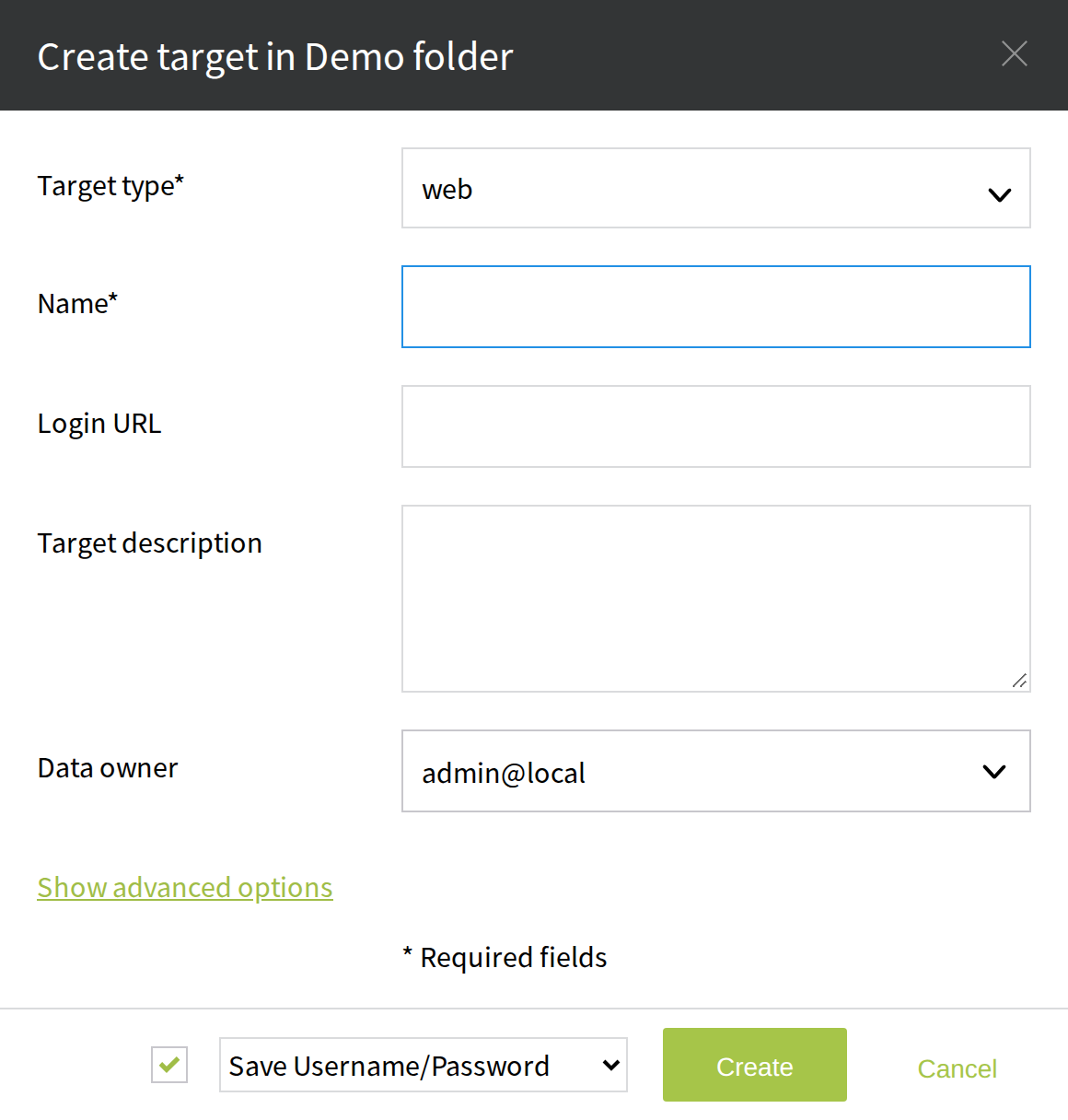
Enter the web page's address in Login URL (for example, for LinkedIn or Facebook). The important fields are Target type, Name and Login URL.
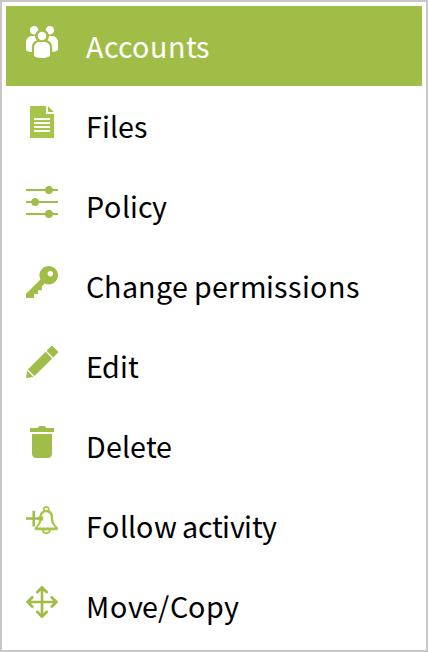
Then define the web accounts under the web target: open the target's menu, and select Accounts. In the pictures, the web target is demo.passman.co.
In Accounts of target, select +. In Create account in PassMan, enter the credentials you sign in with: Account name is the user name you enter on the web page, and the password goes into Password and Confirm password. Then select Add.
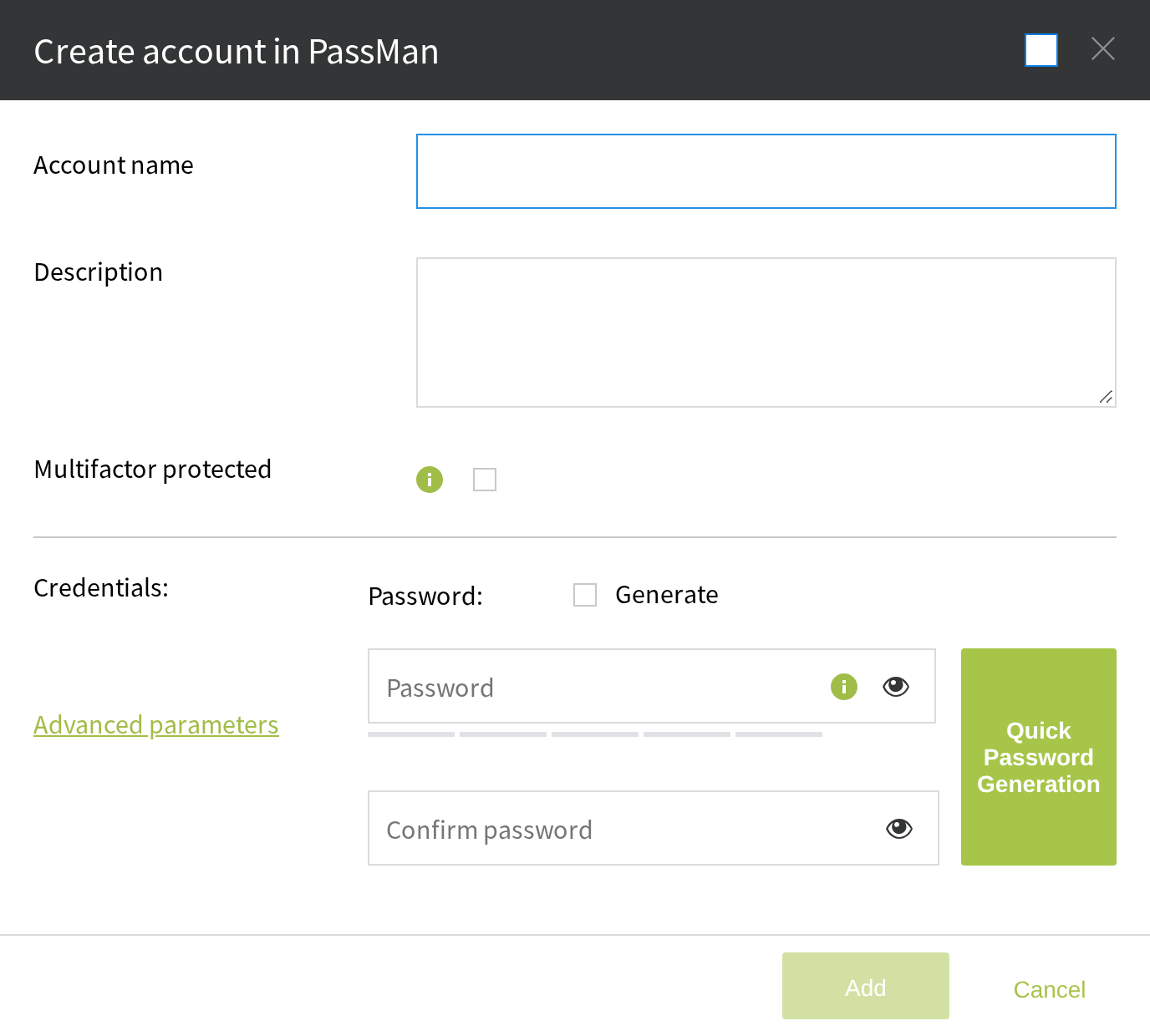
The account you created now appears in the list.
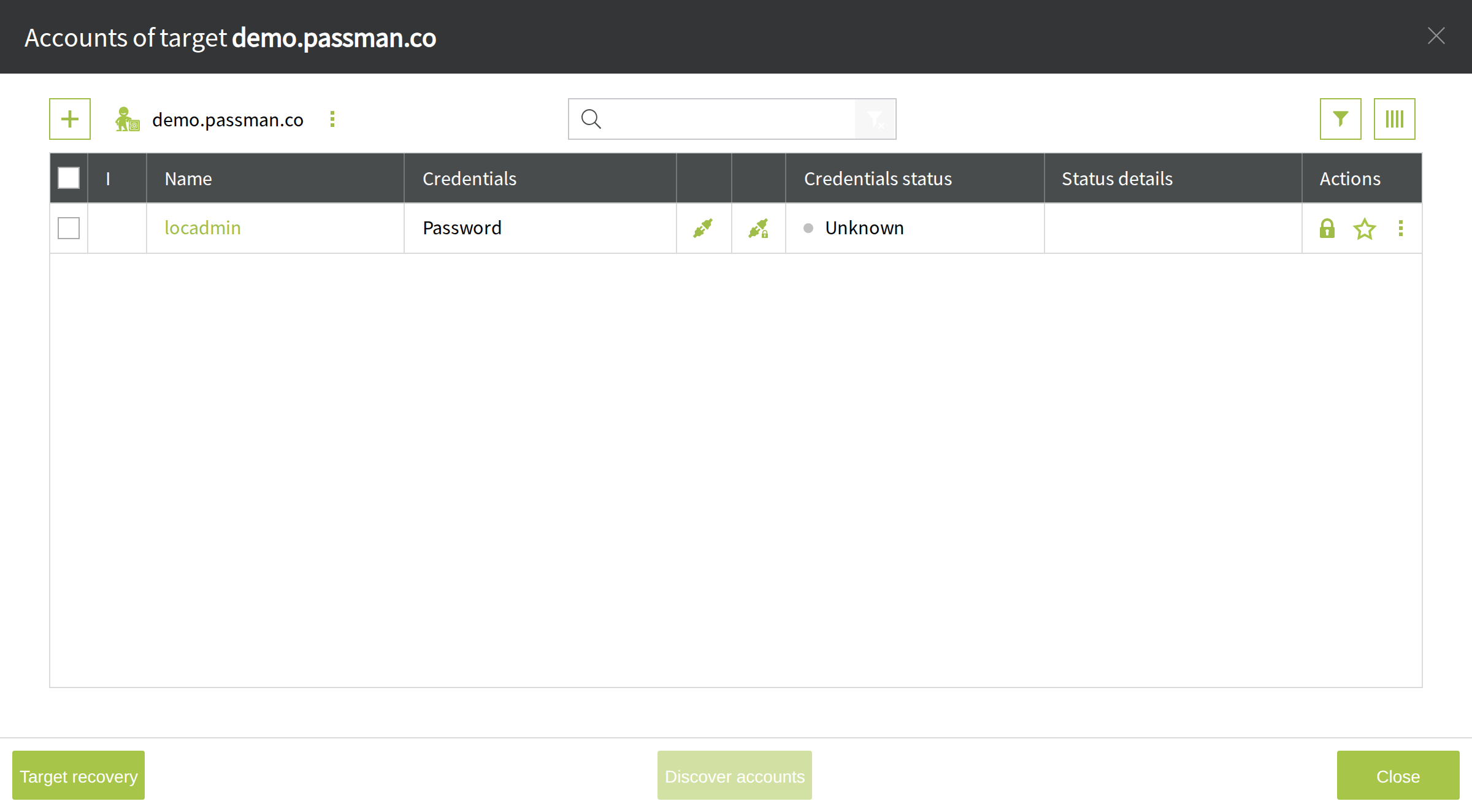
PassMan does not try to sign in to web target accounts in the background, so their credential status is not InSync or NotInSync but Unknown.
If you entered the right credentials and the right Login URL, you are taken to the page, and the extension does its best to sign you in completely.